


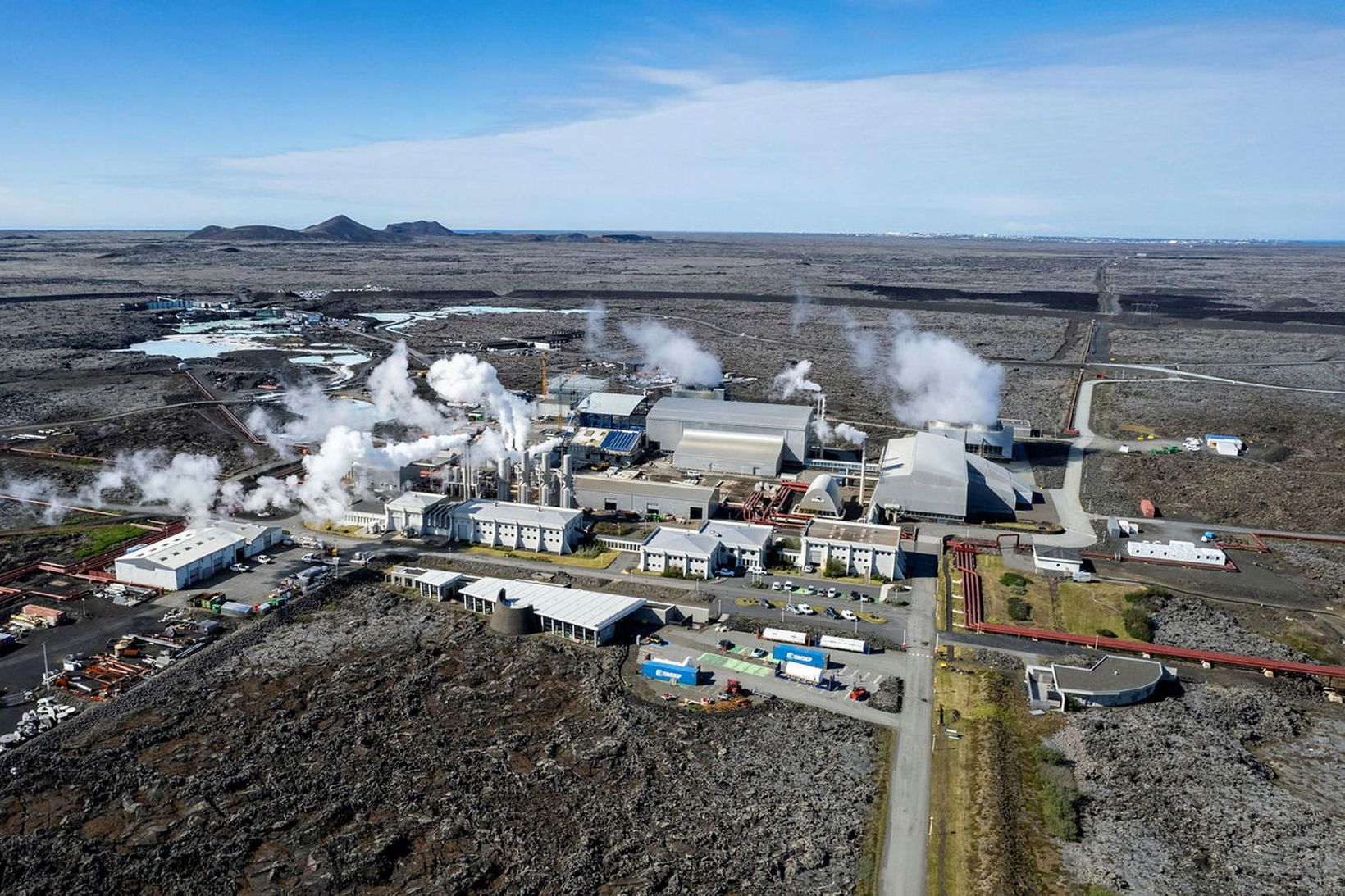
The Confederation of Icelandic Enterprise is warning that a proposed bill on spatial property units and the removal of energy infrastructure exemptions from property valuation could lead to significantly higher taxes on energy facilities, potentially harming competitiveness and reducing investment in energy production.
The two main objectives of the bill
The organization has reviewed draft legislation published in the government consultation portal on February 20 (case no. S-51/2026). According to the explanatory notes, the bill has two main objectives: to introduce the concept of spatial property units into Icelandic law and recognize them as independent real estate entries in the property register, and to remove the current exemption that energy infrastructure has from property valuation.
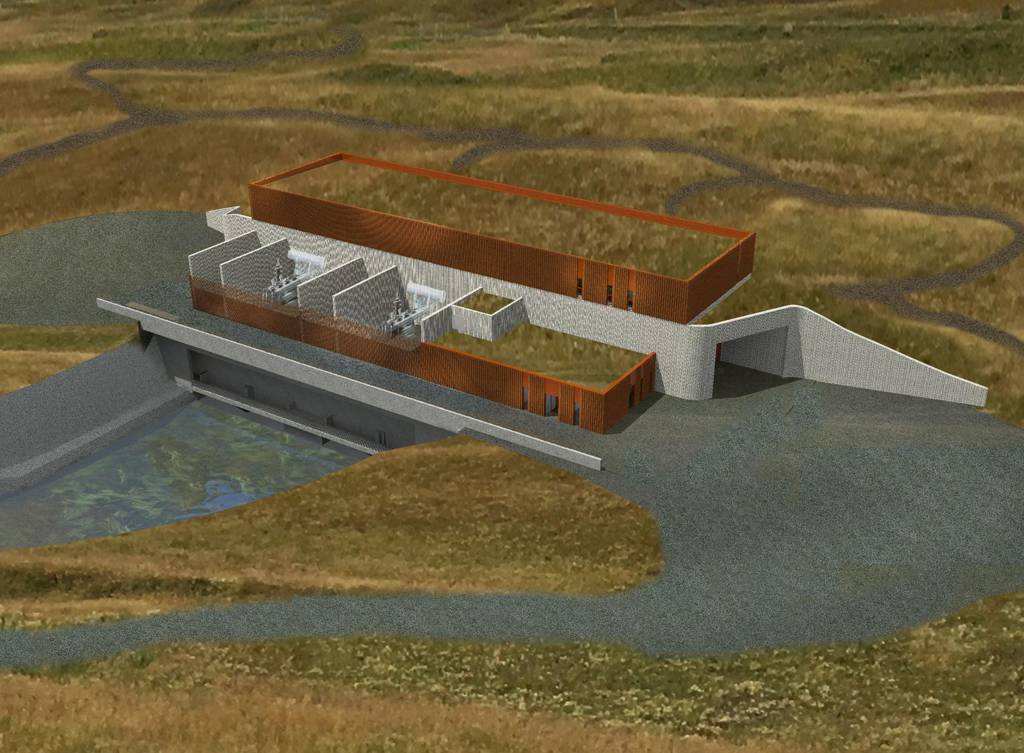
A spatial property unit is defined as a three-dimensional, delimited space intended to contain structures, infrastructure systems, and associated rights, as permitted under planning and construction laws. Such a unit may be created when the space extends above or below another property, when structures within it are permanently attached to unowned land or the seabed, or when the structures and rights form a single integrated unit, such as energy systems, transport infrastructure, or industrial facilities. The property would belong to the municipality where the largest portion of the space is located, or, if evenly divided, to the municipality where its geometric center lies, which would then assume administrative responsibility.

The bill does not align with the goals
The Confederation agrees that local communities should benefit from nearby energy development. However, it reiterates its concern that the bill would result in substantially higher taxation on energy infrastructure.
In its response, the organization notes that it has long called for increased energy production in Iceland, emphasizing that access to affordable green energy is essential for economic growth and prosperity. It points to the government’s December 2024 policy statement, which outlined plans to expand energy generation, strengthen transmission systems, and improve efficiency.
However, the Confederation argues that the proposed bill is not aligned with these goals. Instead, it warns that increased taxation is likely to discourage investment and hinder further development of energy production. It also cautions that fully removing the property tax exemption at once would likely lead to higher electricity prices for both businesses and households, affecting inflation and weakening competitiveness and investment.
Source: Mbl.is