


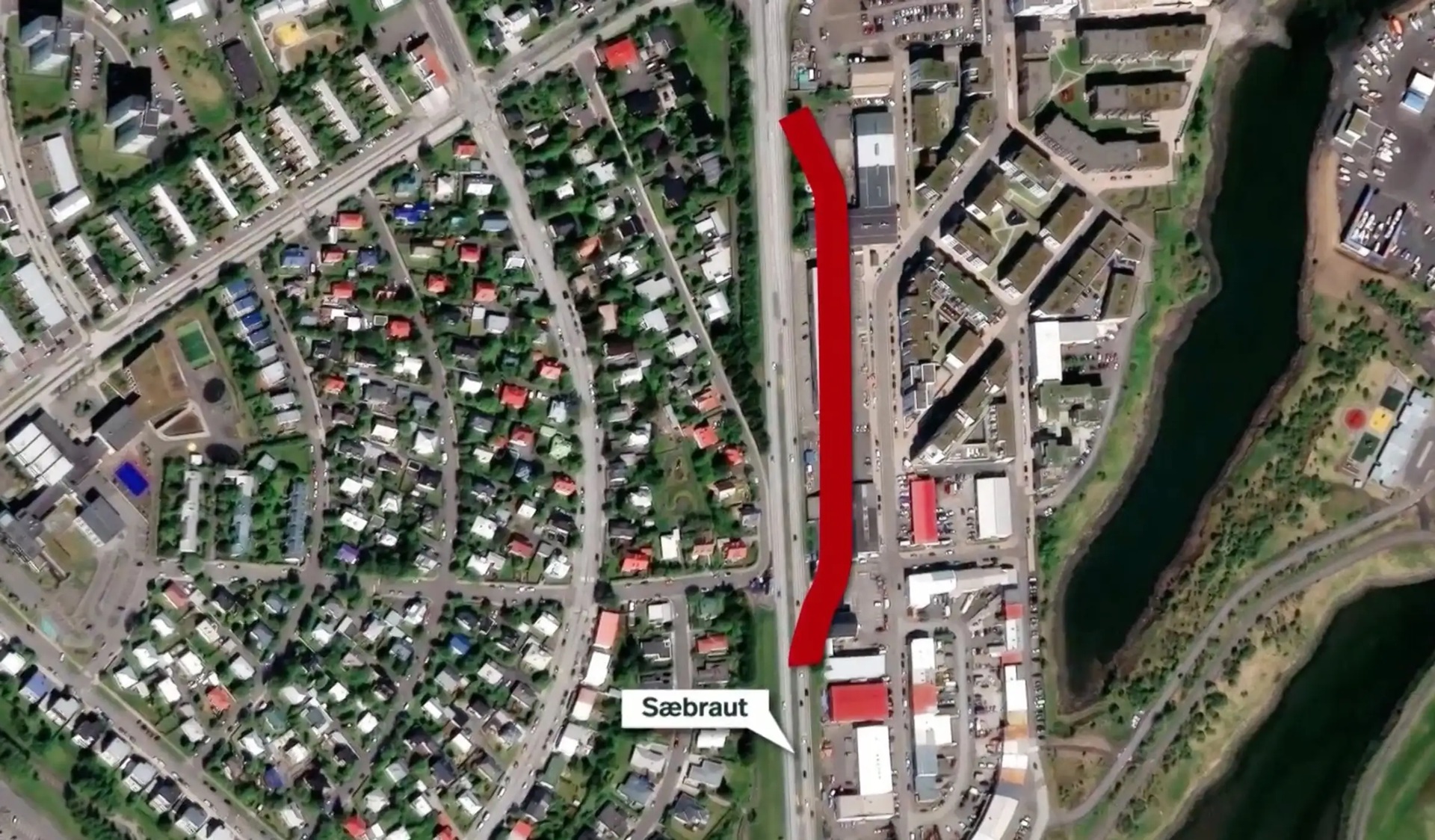
Work on the Sæbraut cut-and-cover tunnel is expected to cause traffic delays. At the busiest point, 70 lorries a day will carry excavated material to Ölfus. The tunnel is hoped to improve the traffic situation once complete.
Traffic delays can be expected while work is carried out on the Sæbraut cut-and-cover tunnel. Construction is expected to take three to five years. At the busiest point, an average of seventy lorries a day will carry excavated material from Sæbraut to Ölfus.
The planned works were discussed at a meeting of Reykjavík’s environment and planning council last week.
The area will be completely transformed once the road is placed in a cut-and-cover tunnel. On a stretch around one kilometre long, excavation will go down to a depth of almost ten metres, and a cut-and-cover tunnel for vehicle traffic will be laid.
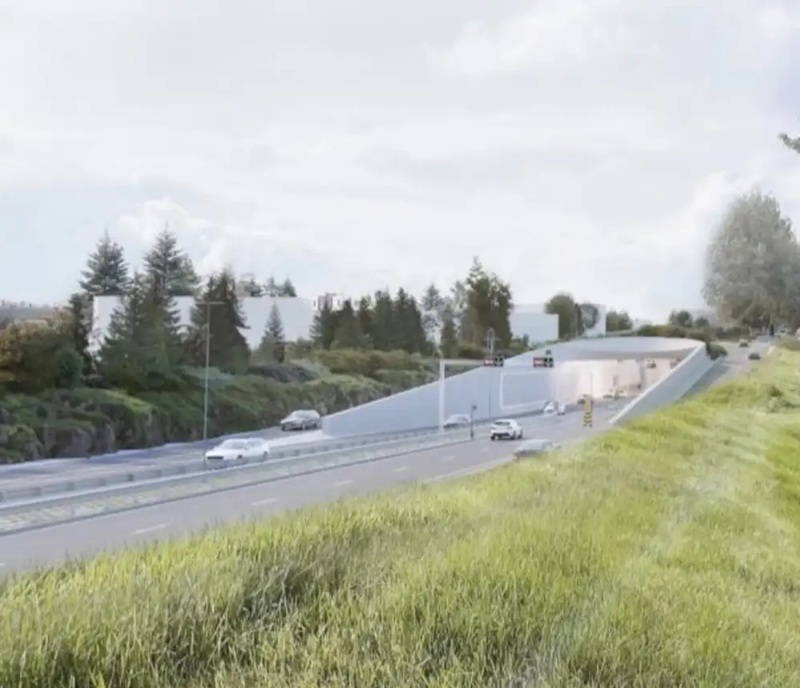
The cut-and-cover tunnel will run along Sæbraut from Miklabraut and north beyond the junction with Kleppsmýrarvegur and Skeiðarvogur. New junctions will be built there on top of the northern section of the tunnel.
Inside the tunnel there will be two lanes in each direction, as well as entry and exit slip roads.
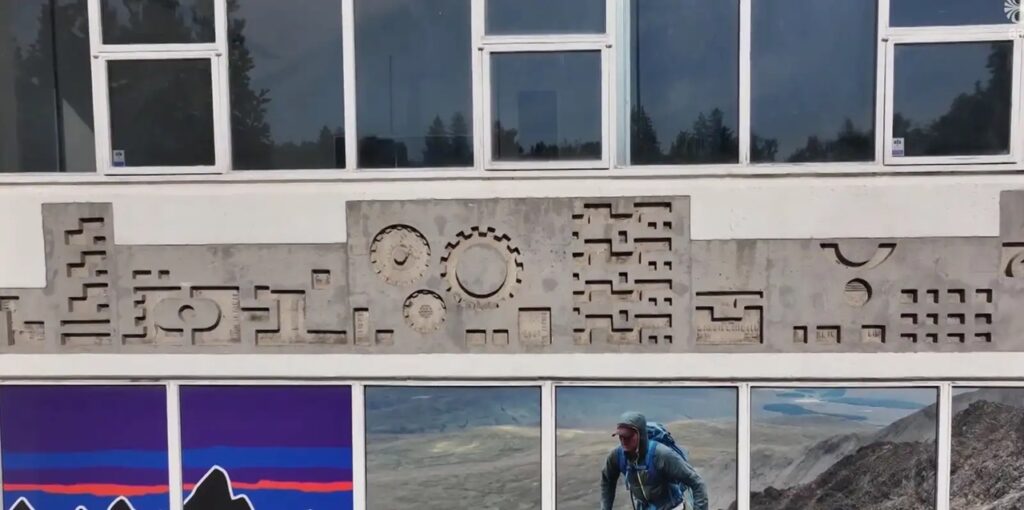
The first item on the agenda is to create a diversion for traffic while construction is under way. To do this, buildings below Sæbraut have to be demolished, including a building where reliefs by Gerður Helgadóttir decorate the walls. Those reliefs must be protected and preserved.
All changes to the building and the plot therefore have to be made in consultation with Gerðarsafn, the Reykjavík City Museum, and Minjastofnun Íslands (the Cultural Heritage Agency of Iceland).
Despite the diversion which will be in place, considerable traffic delays can be expected during the construction period, as nearly thirty thousand cars pass through the area every day and many will be familiar with the traffic jams when people are on their way to or from work.
The greatest impact on traffic will be caused by construction work involving blasting and rock breaking, excavation and the transport of material, and disruption to car traffic through the closure of some lanes and junctions.
Because of the proximity to residential areas, work will not be carried out at night. At the same time, changes will also be made to the junction of Reykjanesbraut and Bústaðavegur.
The material that will be excavated to make room for the tunnel amounts to around 450,000 cubic metres: enough to fill Laugardalshöll arena ten times over.
Most of the material will be transported out of town to Ölfus, over a distance of around twenty kilometres, in a total of around 25,000 lorry trips, or around seventy lorries a day for fifteen months. Material for the tunnel also has to be transported into the area, around 150,000 cubic metres. That would mean around 10,000 lorry trips.
By comparison, around 18,000 lorry trips were made during construction of the new Landspítali hospital.

Above the tunnel there will be walking and cycling routes. The tunnel’s load-bearing capacity has to be sufficient to allow the landscape above it to be shaped and trees planted. Heavy emergency vehicles also need to be able to drive there.
It is thought construction could take three to five years, or from 2027 to 2032. After it is completed, the impact on traffic is assessed as considerably positive.
Source: Ruv.is