

More and more flats in the capital area are being sold below the advertised price and Samtök iðnaðarins (Federation of Icelandic Industries) report a contraction in the construction market. Their managing director says prospects are darkening.
The property market has cooled in recent months and flats are selling below the advertised price. Samtök iðnaðarins (Federation of Icelandic Industries) report a contraction in housing construction over the coming year.
That aligns with a new report from Húsnæðis- og mannvirkjastofnun (Housing and Construction Authority). The report states that activity in the property market was considerable last year, when every thirteenth home in the country changed hands.
In recent months the market has cooled and it has become more common for flats in the capital area to sell below the advertised price. In December, 74% of flats were sold below the advertised price compared with 67% in December 2024.
Just under 1% of managers at architecture and engineering firms believe projects will increase over the next 12 months. Almost 59% believe projects will neither increase nor decrease. Around 43% believe projects will decrease.
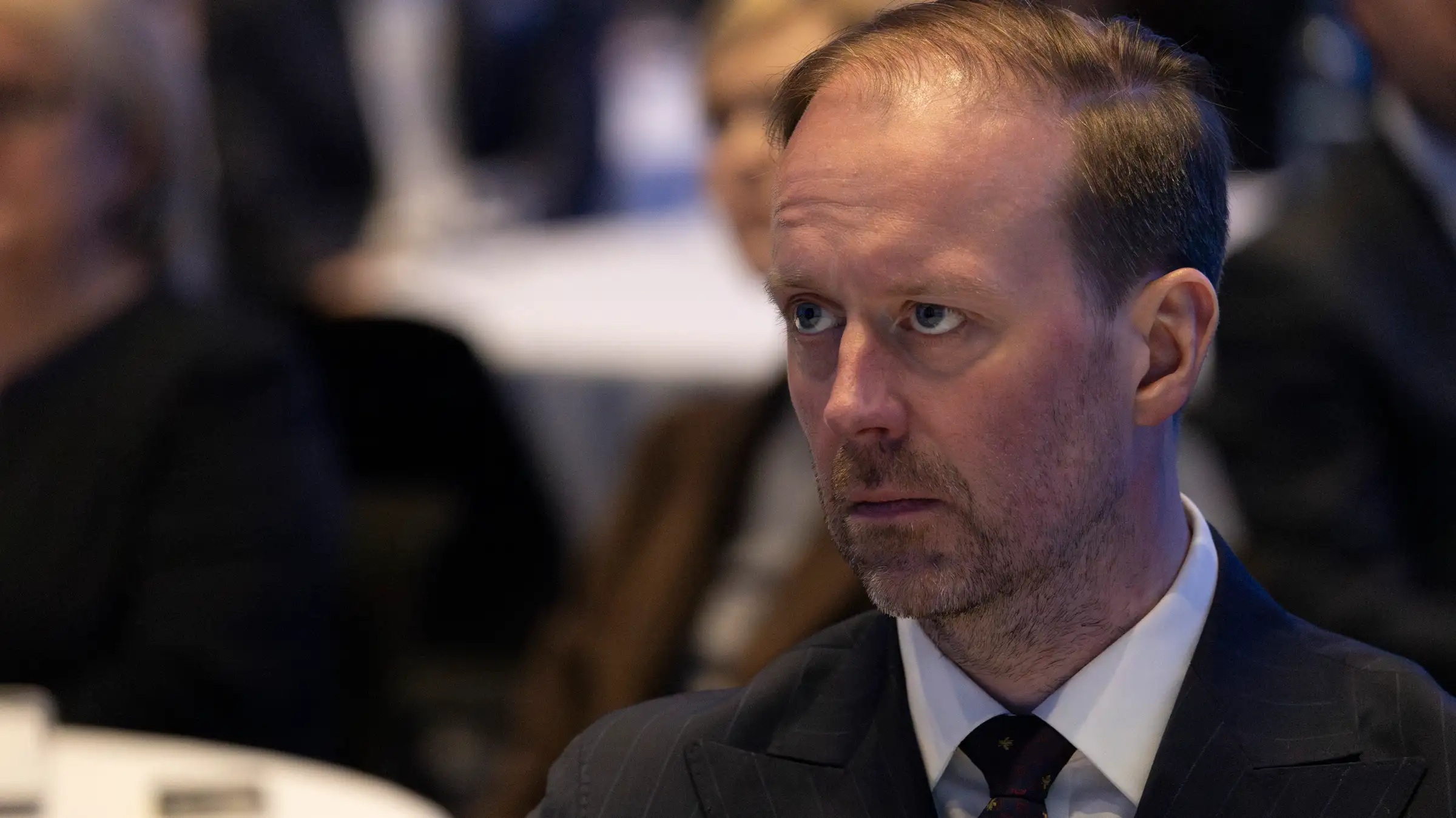
Sigurður Hannesson, managing director of Samtök iðnaðarins (Federation of Icelandic Industries)., describes how he sees the situation.
We are seeing a contraction in the near term. Architects and engineers are in fact first in line when it comes to construction projects and the outlook there is darker than before. That creates expectations of less activity and development in the near future, which may run counter to what is needed.
The report from Húsnæðis- og mannvirkjastofnun (Housing and Construction Authority) also states that debt in the construction industry has increased alongside weak sales of new housing.
“We are also seeing that the position of contractors is becoming more difficult and that it takes longer to sell. Municipalities have significantly increased fees and so on. So many factors are moving in the same direction,” says Sigurður.
He says municipal priorities in planning and housing development are not aligned with public demand.
Flats are too large [for the demand], there is a shortage of parking spaces, or they are not in the right locations, and so on. So this is something municipalities clearly need to take on board.
Samtök iðnaðarins (Federation of Icelandic Industries), the country’s largest employers’ association, and VR, the largest trade union, have joined forces to find common ground in housing matters.
And at the same time encourage others to do what they need to do to achieve improvements. Because many parties are involved. The state sets the rules, municipalities handle implementation and planning, and contractors build. But the state needs to take much greater responsibility and act as project manager in these matters.
He says the situation is a major concern and a clear indication of a cooling economy. High interest rates are further delaying development.
We are, of course, in a certain vicious circle because increases in housing prices have been a root cause of inflation, at least until now. And high interest rates mean less is built at a time when more needs to be built. So economic management in this area is not quite as good as it could be.
Source: Ruv.is